

Celebrating students and staff while highlighting governance concerns
Students, Staff, and School Community
The district recognized 32 students who exited the ESL program after achieving English proficiency and becoming bi-literate. This reflects the dedication and care of our teachers, support staff, and administrators who work closely with students every day. It is something our community should be proud of. Our educators and support professionals show up for students and help them grow academically and personally.
The Superintendent also highlighted the growing number of students serving in the community through efforts such as the Do Gooders Club and service-focused classroom initiatives. It’s great to see values like service, responsibility, and civic engagement being modeled for our kids. These efforts, and the staff behind them, deserve to be celebrated.
Leadership Update
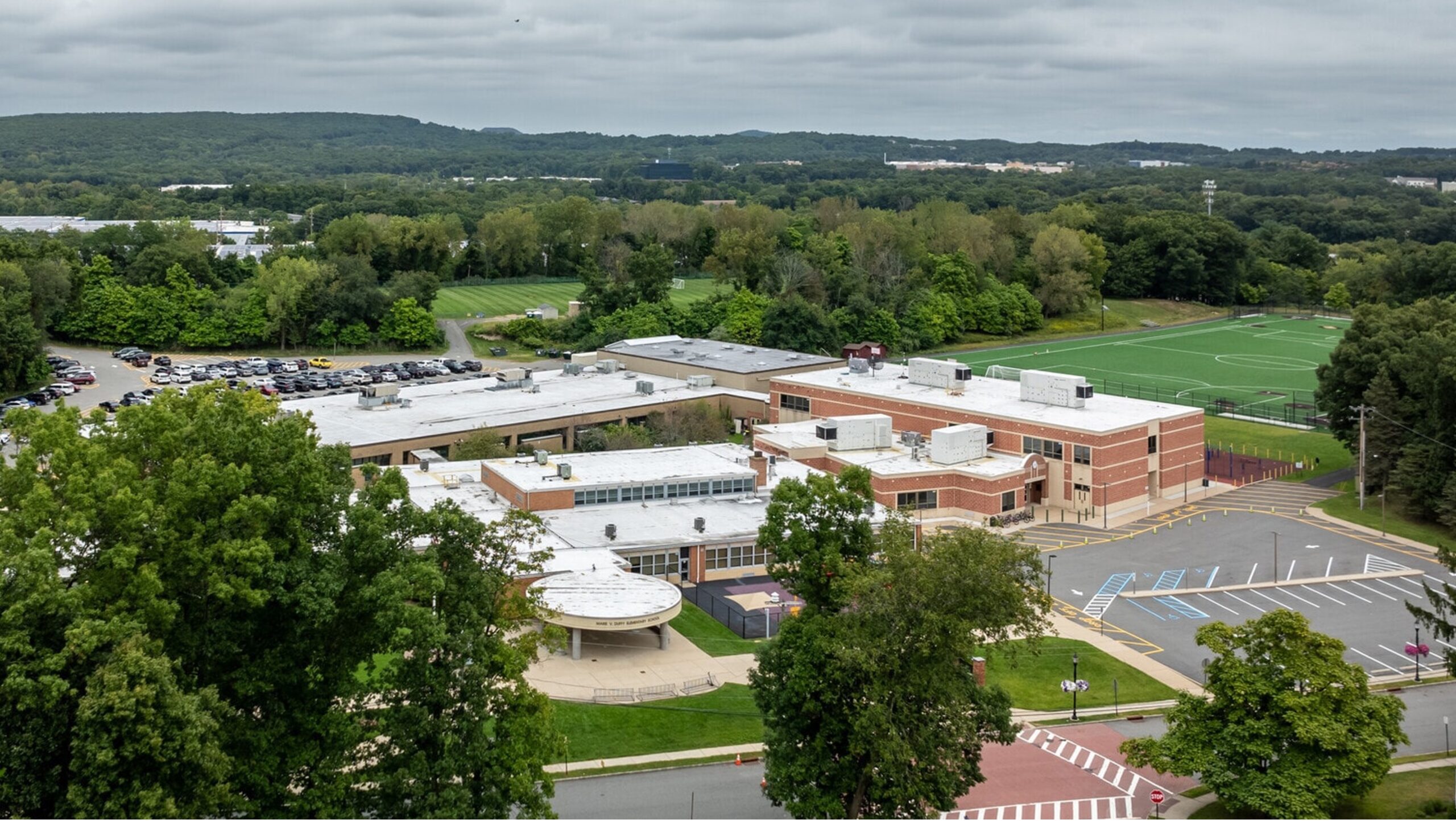
The Board introduced Michael Windram, the new Principal of Duffy School. In his brief remarks, Principal Windram spoke about his commitment to students and staff. His care for the school community was clear. His focus on relationships and support set a positive tone for his leadership.
District Operations
The Superintendent reported that the district is on track to achieve NJQSAC compliance by June 2026. This is ahead of their August 2026 goal and reflects steady work by district leadership and staff.
The district is also partnering with the Wharton Police Department to enhance school safety and security.
Budget
The 2026 budget process has begun. The district stated it will remain within the 2% tax levy cap, even with projected health benefit cost increases of around 25%. These increases are largely outside the district’s control and are affecting many districts statewide.
State aid numbers are expected in mid-February. Those figures will provide more clarity as budget planning continues.
Curriculum
Teachers are reviewing a potential new Social Studies curriculum and will provide recommendations. It’s encouraging to see teachers being given ownership in this process. This reflects a positive trend toward trusting the expertise of those closest to the classroom.
Governance and Transparency
Approval of the prior four sets of Board meeting minutes was tabled due to ongoing concerns about accuracy.
There was discussion among the Board about its role in hiring administrative positions. The Board President said current practices are being followed based on advice from legal counsel. Another Board member stated that guidance from the State Ethics Commission reflects a different view.
There was also disagreement over how recent principal candidate sessions should be described in the meeting minutes. At least one Board member referred to the sessions as interviews, while others described them as meet-and-greet events. During those sessions, candidates were asked interview-style questions by the Board in public session, and at least one Board member publicly referred to the sessions as interviews on social media. This disagreement contributed to continued concerns about how prior meeting activities are reflected in the official record.
During public comment, a question was asked seeking clarity that the Board supports and stands behind the leadership of the Superintendent. The Board President initially did not provide a direct answer. After a follow-up request for clarification, the Board President stated “yes” on the record, confirming that the Board supports and stands behind Superintendent Dr. Sanchez.
The Board also agreed to adjust seating arrangements at future meetings to make it easier for the public to hear Board members.
The Board initially moved to enter closed session without a formal motion and vote, despite having adopted Robert’s Rules of Order. After a member of the public raised the procedural requirement, the Board made the required motion and conducted a vote before proceeding.
Context: Accountability and Board Leadership
The concerns raised here are not about one moment or one disagreement. They reflect a pattern that has become harder to ignore. Across multiple meetings, there have been repeated inconsistencies in how the Board applies policy, follows procedure, and records its own actions.
At this meeting alone, several examples surfaced. Prior meeting minutes remain unapproved because of ongoing disputes over accuracy. The Board initially moved into closed session without the required motion and vote, despite having adopted Robert’s Rules of Order, and corrected course only after a member of the public spoke up. This pattern has also appeared in moments where straightforward questions about Board support required repeated clarification before clear answers were given on the record. There were also visible disagreements about process and classification during public discussion.
One clear example that brings these concerns into focus is how recent principal candidate sessions have been described. During those sessions, candidates were asked interview-style questions by the Board in public session. The Board President publicly referred to those sessions as interviews on social media. The Board also stated that it was operating within its authority and based on advice from legal counsel when conducting them.
Despite that, there was an effort to reclassify those sessions in the official minutes as meet-and-greet events rather than interviews. That shift matters. If the Board believed it was acting within its authority, there should be no need to soften or reframe what occurred after the fact. When actions are taken openly and confidently, the public record should reflect them clearly and plainly. When a governing body alters the description of an action after the fact, it raises reasonable questions about transparency.
When the language in the minutes does not match what happened in public view, it creates confusion and invites scrutiny. The concern here is not whether interviews should or should not have taken place. The concern is whether the Board is willing to stand behind its actions and document them accurately. The Board invites public scrutiny when it falls short of this expectation.
It is important to be clear about what this assessment is and is not. This is not about teachers, support staff, administrators, or students. They continue to serve our community with professionalism, care, and commitment. The concern here is about Board leadership and governance practices.
Boards are responsible for holding superintendents accountable. In the same way, the public has a responsibility to hold boards accountable. That accountability is not personal. It is civic. It happens when people pay attention, notice patterns, and ask thoughtful questions about process and transparency.
This may feel critical to some. It is not personal. It reflects what has been said and done in public meetings, as witnessed by those in attendance. It does not speculate about intent or report on private matters. It focuses only on public actions, process, and the official record.
